When it comes to foaling, on-time human intervention – if needed – is crucial to ensure a successful outcome. This also applies to horses after surgery or for detecting colic.
Nothing is more devastating than going to the effort of getting your mare in foal , seeing that belly grow and then having your mare abort with only a couple of months pregnancy to go.
Breeding a foal involves a lot of time, money and long term commitment. Breeders have a moral responsibility to ensure the best future for the young horse brought into the world, which means breeding quality to begin with.
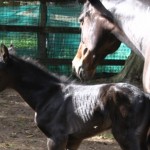
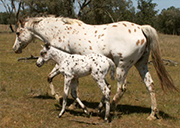
It is the time of the year again as we approach foaling season. In most cases (over 95%) the event goes as planned. The following is some suggestions on foaling difficulties, how to assist and when to call for help.
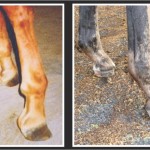
Each year we discuss the problems associated with fast growing, tall foals. This year we are either late in doing so or the foals are growing really fast. We are already seeing foals with the early signs.
There are many factors that can cause abortion in mares. Non-infectious causes are more common than infectious causes of abortion. Problems associated with the umbilical cord, disorders of the placenta, disorders of the foetus, twins, stress and trauma are examples of non-infectious causes of abortion.

During the first year of the foal’s life it will grow to over 90% of its mature height. Considering it is starting at only about nine hands tall (36 inches), and can reach fourteen hands or better within a year, this is a big change for the support structure of the foal.
A website designed to compliment our hard copy magazine and to make information available at your fingertips
LOOKING for a service provider in the equine industry? Coming Event, Clinic or Classified FIND IT HERE! – Equine News And Trade Services Directory