Immunotherapy was predicted to be one of the most rapidly expanding areas of medical science in this decade.
Strangles, caused by the bacterium Streptococcus equi equi, is one of the most important horse diseases in NSW. It is a notifiable disease which means that if your horse has strangles you have a legal obligation to report it
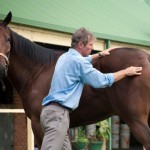
Whether a horse has a specific problem or requires loosening up with remedial massage techniques, the overall result can be quite dramatic in improving condition and performance.
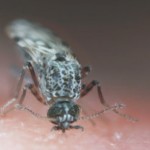
Dr Doug Wilson conducts research into the immunology of horses, with a special interest in Insect Bite Hypersensitivity (better known in this region as Queensland Itch).
The word Melanoma strikes fear into most Australians, given the harsh UV conditions we live in and the potential fatal outcome in humans who are affected with melanoma. However melanomas in horses are quite different, as they are usually benign and are not even induced by UV rays from the sun!
Everybody who owns, rides or handles horses should know their horse’s vital signs. These simple checks will help tell if your horse is healthy or if you will have to call the vet.
The concept of holistic health and well-being is clearly understood for humans, but is often over-looked in the field of animal care. Holistic health incorporates the importance of emotional and spiritual well-being, together with physiological wellness.
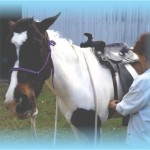
For the sake of readability, girths will be mentioned throughout this article, but please take this to refer to cinches as well.
There are many factors that can cause abortion in mares. Non-infectious causes are more common than infectious causes of abortion. Problems associated with the umbilical cord, disorders of the placenta, disorders of the foetus, twins, stress and trauma are examples of non-infectious causes of abortion.
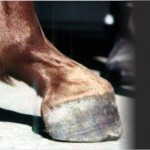
The malady known as ‘Club Foot Syndrome’ (CFS) is a genetically transmitted conformation defect affect one or both front feet. The condition is prevalent in “Hot Blood” and ‘Warm Blood” species, however, “Cold Blood” and “Purebred Ponies” seem to have escaped the anomaly.
If you just found out that your horse is going blind, you should know that caring for a blind horse is really not any more difficult than caring for a sighted horse.
A website designed to compliment our hard copy magazine and to make information available at your fingertips
LOOKING for a service provider in the equine industry? Coming Event, Clinic or Classified FIND IT HERE! – Equine News And Trade Services Directory